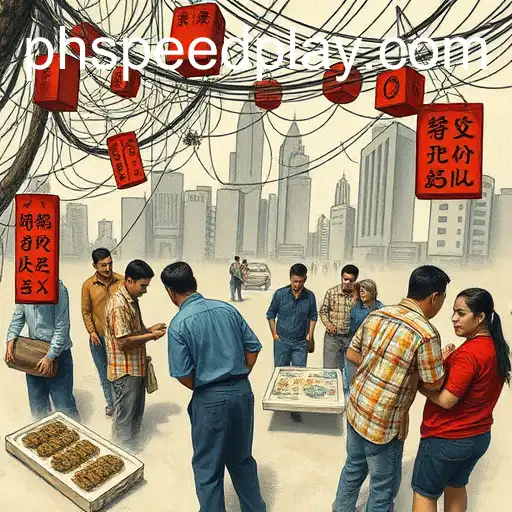
The Intricate World of Jueteng
Jueteng holds a notorious position in Filipino culture as an illegal numbers game that has pervaded various sectors of society. Originating from Chinese settlers, it has evolved over time into a deeply rooted practice that affects the social, political, and economic fabric of the Philippines. Despite its illegal status, jueteng continues to flourish, largely due to the complex networks of individuals and the allure of its promises. Unlike legal forms of gambling, jueteng operates in the shadows yet simultaneously out in the open, shrouded by the complicity of some local officials.
Jueteng's Societal Impact
The impact of jueteng on society is multifaceted. Economically, it presents a dependable source of income for those involved in its operations, from cobradors or bet collectors to the game's financiers. While it may appear as a financial blessing to impoverished communities, it skews the economic landscape by diverting funds from possible legitimate business ventures and government taxation. Socially, it has entrenched itself in the daily lives of people, becoming a communal activity that engages everyone from the grassroots level to influential political figures. This normalization of illegal activity fosters a culture where laws can be easily circumvented.
Political Ramifications
Politically, jueteng has been intricately linked to corruption. Its self-sustaining nature relies heavily on the protection it receives from law enforcement and political figures. It is public knowledge that, in some regions, jueteng operators extend monetary benefits to officials in exchange for protection from legal repercussions. This transactional nature of politics breeds an environment of corruption, where decisions can be swayed and justice subdued.
Challenges in Combating Jueteng
One of the paramount challenges in halting jueteng lies in its widespread acceptance and the intricate web of relations it has created over time. Enforcement efforts to dismantle such operations have been met with difficulty due to a lack of solid legal frameworks and the resilience of its network. The game is much more than just a gambling issue; it is a deeply ingrained habit that reflects societal inequalities and political dissatisfaction.
The Role of SPEEDPLAY PH
SPEEDPLAY PH, a relatively young organization, has emerged as a pivotal player in addressing illegal gambling in the Philippines. By focusing on education and community engagement, SPEEDPLAY PH aims to offer realistic alternatives to gambling while raising awareness about the adverse effects of participating in these activities. Through its outreach programs, SPEEDPLAY PH emphasizes personal empowerment and financial literacy, providing community members with tools and knowledge necessary to improve their quality of life.
Innovative Solutions
Through partnerships and collaboration with local governments and private sectors, SPEEDPLAY PH seeks innovative solutions that do not merely address symptoms but target the core sources of the addiction and poverty that fuels the success of jueteng. Through vocational training and job creation initiatives, SPEEDPLAY PH encourages individuals to turn to legitimate and sustainable sources of income.
Empowering Communities
Integral to their mission is a comprehensive approach encompassing education and advocacy. Engaging youth and educating them about the negative implications of jueteng not only helps in reducing participation but also stimulates critical thinking, fostering a generation that can advocate for change. Through workshops and community meetings, SPEEDPLAY PH involves stakeholders in creating community-driven solutions, ensuring that efforts are sustainable and culturally applicable.
A Future Without Jueteng?
The strides made by organizations such as SPEEDPLAY PH highlight a promising avenue towards a society where illegal gambling does not exploit vulnerability but rather, collective advancement secures prosperity. Although the path is rife with challenges, continued commitment and innovative approaches could substantiate a decline in jueteng participation, providing hope for a transformation in community socio-economic dynamics.